
UGC Meta Ads Strategy: Why Real Customer Content Beats Polished Creative
User-generated content in Meta ads outperforms polished studio creative for cold prospecting because it looks native to the feed. The highest-converting UGC for fashion brands follows a hook-solution-CTA structure: grab attention with a relatable pain point in the first three seconds, show the product solving it on a real person, then close with a clear call to action.
Studio ads still have a role in retargeting and catalog placements. But if your prospecting CPA is climbing and your ads feel like ads, UGC is usually the fastest lever to pull.
Teams using AI ad performance and creative for fashion eCommerce consolidate creative testing, budget pacing, and cross-channel reporting so Meta campaigns improve without manual spreadsheet work.
Why UGC beats studio creative in Meta prospecting
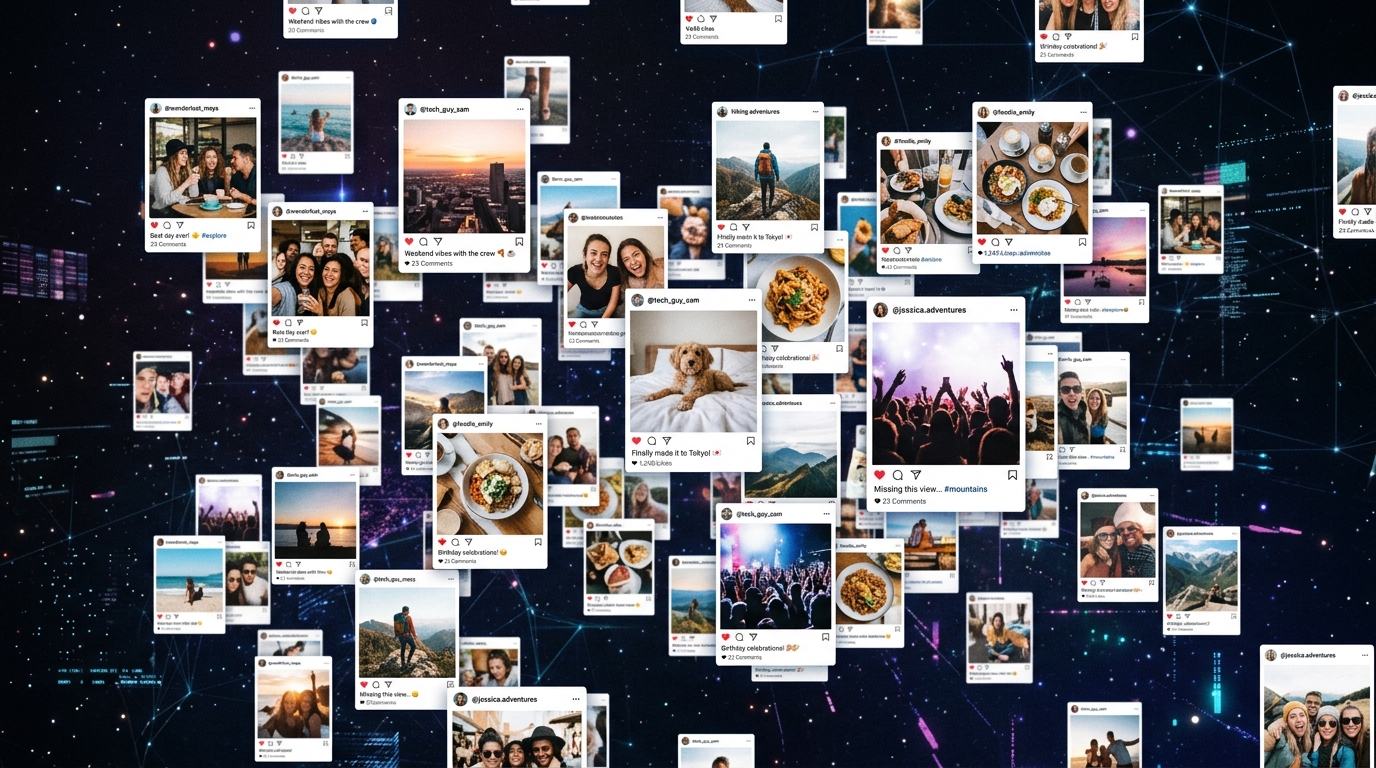
Social feeds reward content that looks like it belongs. A lo-fi selfie video filmed on a phone triggers a different psychological response than a color-graded studio spot with logo stingers and licensed music. Viewers process UGC as peer recommendation, not advertising-and that gap shows up in the data. Nielsen's Global Trust in Advertising report (2025) found that 68% of consumers trust peer recommendations over brand-produced content. In Meta ad accounts, lo-fi UGC ads consistently earn 1.5–2x higher click-through rates than studio equivalents for the same product and audience. The trust advantage compounds in fashion, where fit, fabric feel, and styling context drive purchase decisions more than price alone.
The hook-solution-CTA structure for UGC ads
Every high-performing UGC ad in a fashion account follows the same three-act arc. Each act has a specific job, and skipping one typically tanks conversion rate.
- Hook (0–3 seconds): Open with a pain point or curiosity gap. "I used to hate how this fabric wrinkled after one wash" or "This dress has pockets and I cannot stop talking about it." The hook must work without sound-most Reels viewers scroll with audio off initially.
- Solution (3–20 seconds): Show the product in use. Try it on, walk in it, layer it, stuff the pockets. Demonstrate the benefit the hook promised. Keep the camera handheld and the lighting natural.
- Call to action (final 3–5 seconds): Tell the viewer what to do. "Link in bio," "Shop the summer collection," or "Use code TRY20 for 20% off." One action, spoken clearly. Test hooks aggressively. Keep the solution and CTA body identical across variants, but film five to ten different opening lines. The first three seconds determine whether anyone sees the rest.
- Studio/Editorial Ads32%
- Authentic UGC Ads68%
Lo-fi UGC vs studio creative by funnel stage
Match the production level to the funnel stage. Lo-fi UGC wins cold traffic. Studio creative wins warm and hot traffic where the shopper already knows your brand and needs product clarity, not persuasion.
- Cold prospecting (Reels, Stories, Feed): lo-fi UGC with hook-solution-CTA. Prioritize authenticity over resolution.
- Warm retargeting (site visitors, engagers): mix UGC testimonials with clean product shots. Show the exact SKU they viewed.
- Hot retargeting (cart abandoners): studio or catalog creative with clear pricing, size info, and urgency. Clarity beats personality here.
- Catalog and DPA placements: studio product photography with accurate color and fit data. UGC does not replace feed-quality catalog images. Brands using an AI product video generator for fashion ecommerce can produce studio-quality product motion for catalog placements while sourcing lo-fi UGC separately from creators-covering both ends of the funnel without one production approach forced everywhere.
"Ads featuring authentic user-generated video earn 4x higher click-through rates and 50% lower cost per result than brand-produced video in the same campaign, according to Meta's internal creative testing data shared at Performance Marketing Summit 2025."
- Social Media Examiner, UGC Video Best Practices (2025)
Sourcing UGC from micro-influencers for fashion ads
Micro-influencers with 10,000–100,000 followers deliver the best UGC cost-to-quality ratio for apparel brands. Their audiences are engaged enough to trust recommendations, and their rates are a fraction of macro-tier creators. Run a structured brief: ship the product, provide three scripted pain points to choose from, specify vertical 9:16 format, and request raw footage (not edited). Pay per deliverable, not per post-your goal is ad assets, not organic reach. Aim for five to fifteen creators per product launch to generate enough hook variants for split testing. When possible, whitelist the creator's account for branded content ads. This lets you run the UGC from their handle, which adds another layer of authenticity in the feed. Meta's Partnership Ads tool streamlines the permission workflow.
Testing and scaling UGC in Meta Ads Manager
Upload each UGC clip as a separate ad within your prospecting campaign or ASC. Do not bundle multiple UGC videos into one ad-Meta cannot tell which hook won if they are combined. Give each ad at least 1,000 impressions before judging performance.
Cut anything below your breakeven CPA after that threshold. For winners, duplicate the ad and increase budget within 48 hours. When a UGC ad fatigues (CPA rises 30%+ over seven days), swap in a new hook variant on the same solution body. Plan for creative fatigue every 10–14 days at meaningful spend levels.
Common UGC mistakes fashion brands make on Meta
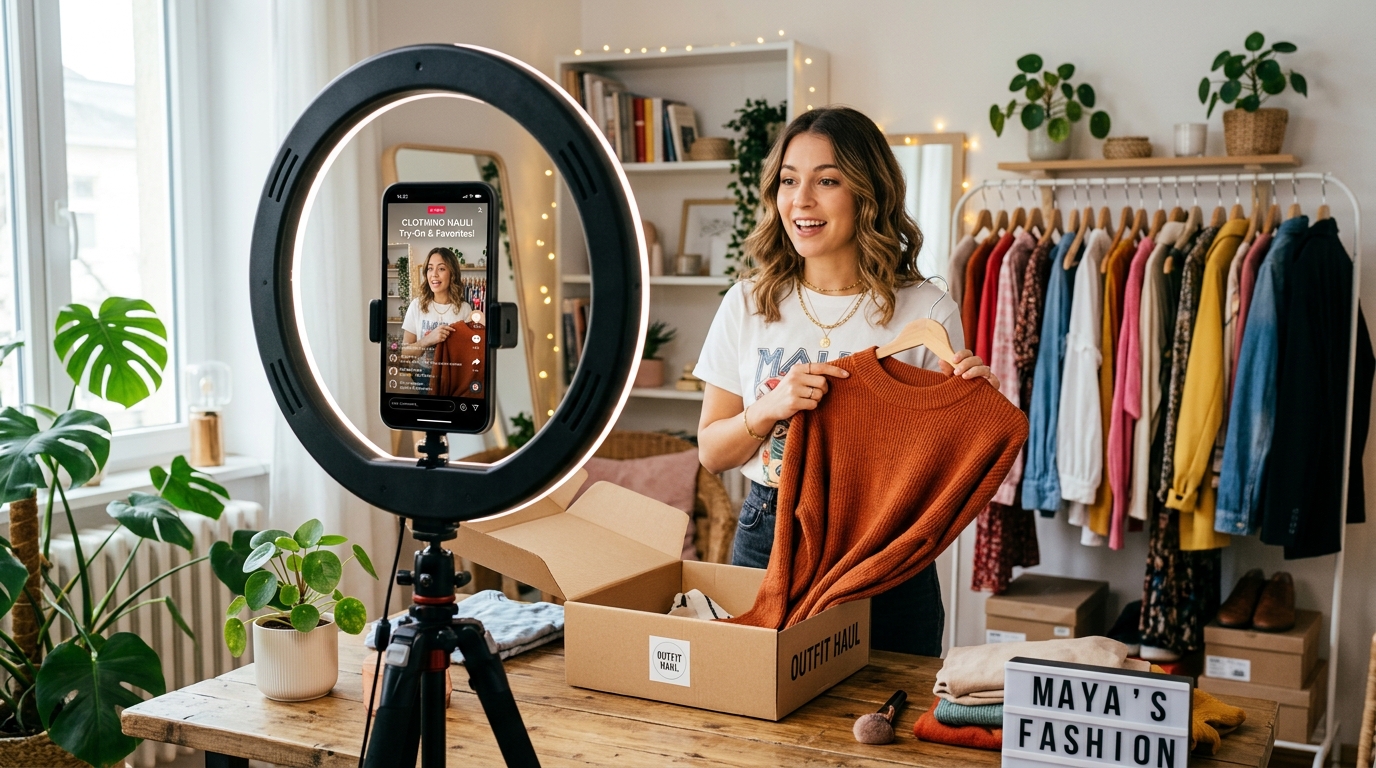
Three errors show up repeatedly in apparel ad accounts. First, over-editing UGC until it looks like a studio ad-color grading, transitions, and logo overlays kill the authenticity advantage. Second, skipping the hook and opening with product beauty shots. Nobody stops scrolling for a flat-lay. Third, running UGC in retargeting where the shopper needs size charts and pricing, not a creator's opinion. Fix all three by matching creative format to funnel stage, testing hooks in volume, and keeping lo-fi footage genuinely lo-fi.
Frequently asked questions
How long before mastering user-generated content (ugc) for meta ads strategy campaigns stabilize on Meta?
Most fashion accounts need 50+ weekly purchase events before Meta exits the learning phase. Plan two to three weeks of stable spend before judging ROAS.
What budget should a fashion brand start with for Meta ads?
Start with enough daily budget to generate 7–10 purchases per ad set per week. For many apparel brands that means $100–$300 per day on prospecting.
When should you refresh creative for fashion Meta ads?
Refresh hooks or swap in new video variants when frequency exceeds 2.5 or CPA rises 20% week over week. Weekly creative tests are standard for scaling brands.