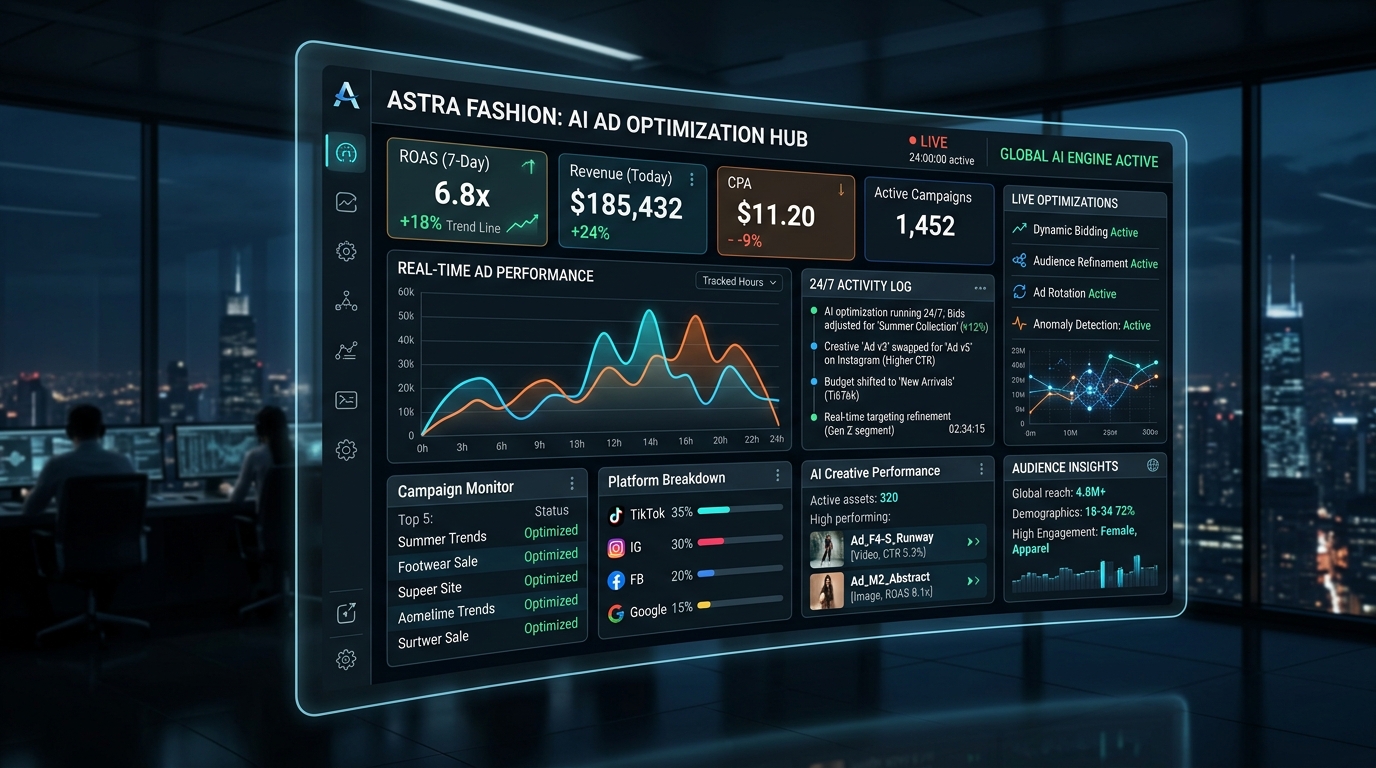
Digital Marketing Is What? The No-Jargon Guide for Fashion Brands
Digital marketing is what separates thriving online retailers from those struggling to make a single sale. When people ask, "digital marketing what is it really about?", the answer lies in connecting with consumers exactly where they spend their time: on their phones, browsing social feeds, and searching the web. For any modern apparel enterprise, establishing a strong digital marketing business foundation is no longer optional; it is the core driver of revenue and brand awareness.
Understanding the ecosystem requires looking beyond simple definitions. It involves leveraging data, creative assets, and algorithmic targeting to deliver the right message to the right person at the precise moment they are ready to buy. In the fiercely competitive apparel sector, mastering these concepts can mean the difference between scaling a brand globally and getting lost in the noise. This guide breaks down the essential components, actionable strategies, and advanced tactics necessary to succeed in this dynamic environment.
How to Build a Strong Foundation
The first step in any successful campaign is defining your target audience and understanding their buying journey. You must identify who your ideal customers are, what problems your garments solve for them, and which platforms they frequent. A robust strategy begins with comprehensive market research and competitive analysis.
Once you have a clear picture of your audience, it is time to establish your brand's digital footprint. This includes optimizing your website for conversions, ensuring mobile responsiveness, and creating compelling product pages with high-quality imagery and detailed descriptions. Your online storefront is the destination for all your digital marketing ads, so it must provide a seamless and persuasive user experience.
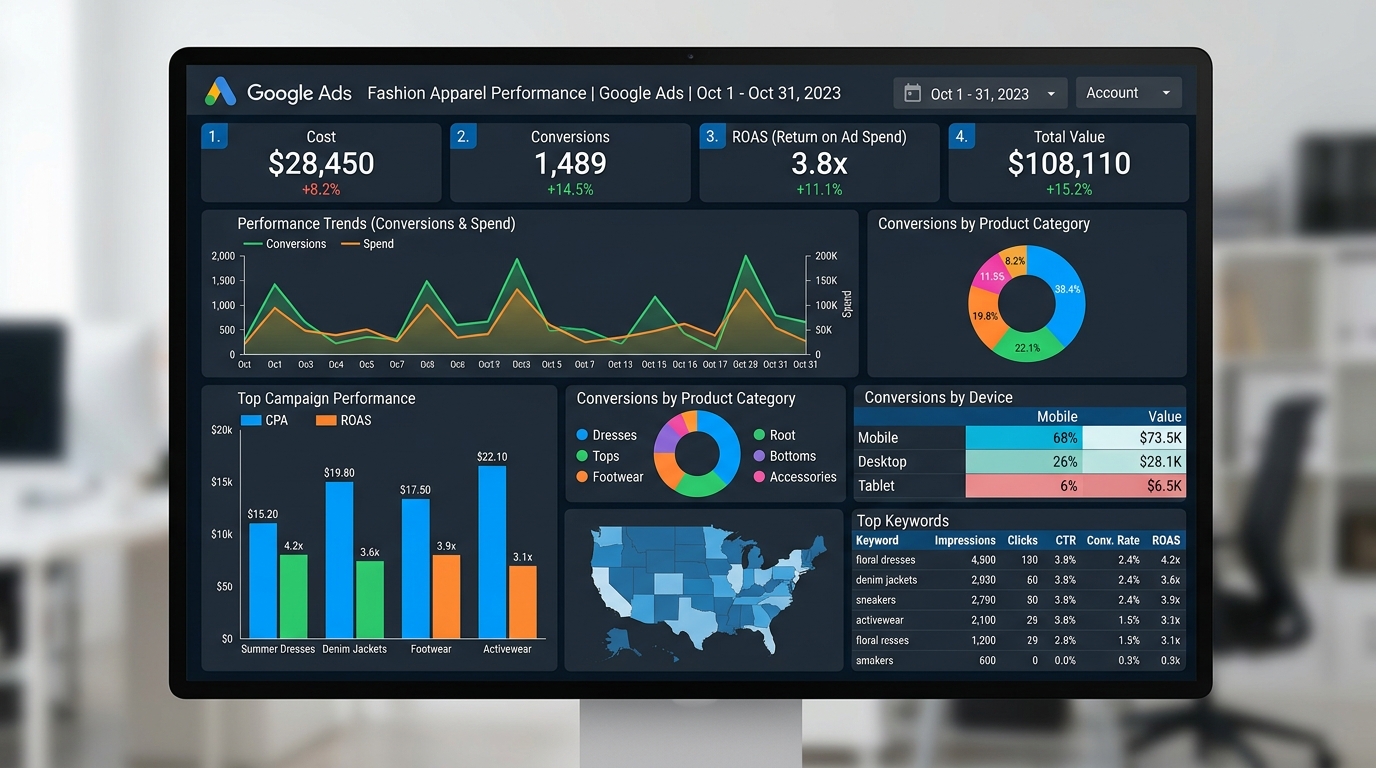 Furthermore, establishing analytics and tracking mechanisms is paramount. Implementing tools like Google Analytics and the Meta Pixel allows you to measure traffic, monitor user behavior, and track conversions. Without accurate data, you are flying blind, unable to assess the effectiveness of your efforts or make informed optimization decisions. Setting up these tracking systems correctly from the outset ensures you have the insights needed to refine your approach continually.
Step-by-step Audience Targeting
Effective audience targeting is the cornerstone of any profitable ad campaign. Rather than broadcasting your message to everyone, you must focus your resources on those most likely to purchase. Begin by creating broad audiences based on demographic factors such as age, location, and gender, tailoring these parameters to align with your product offerings. As you gather data, transition towards more sophisticated targeting methods. Lookalike audiences are incredibly powerful; they allow platforms to find new users who share characteristics with your existing best customers. By feeding the algorithm data from your purchase events or high-value customer lists, you can significantly expand your reach while maintaining relevance. Additionally, behavioral and interest-based targeting can help you zero in on specific segments. For instance, if you sell sustainable activewear, targeting users who have shown an interest in eco-friendly living or fitness activities can yield excellent results. Regularly reviewing and refining your audience segments based on performance data ensures your campaigns remain efficient and cost-effective over time.
Checklist Before Launching Campaigns
Before activating any new campaign, a thorough pre-launch checklist is essential to prevent costly mistakes and ensure optimal performance. First, verify that all tracking pixels and conversion APIs are firing correctly. Test every event, from 'View Content' to 'Purchase', to guarantee accurate data collection.
Next, review your creative assets. Are your images and videos high-resolution and appropriately sized for the intended placements? Does the ad copy compellingly articulate your value proposition and include a clear call to action? Ensure that all links direct users to the correct landing pages and that those pages load quickly and flawlessly on all devices.
Finally, double-check your budget settings, bidding strategies, and campaign scheduling. Confirm that you have allocated funds appropriately across different ad sets and that your bids align with your acquisition cost goals. A meticulous review of these technical and creative elements sets the stage for a successful launch and minimizes the need for immediate troubleshooting.

Campaign Structure for Scaling
When you are ready to scale, your campaign structure must be organized to facilitate growth without sacrificing efficiency. A consolidated account structure is generally recommended, as it allows algorithms to learn faster and optimize more effectively. Grouping similar audiences and consolidating budgets prevents audience fragmentation and accelerates the learning phase. Implement a clear naming convention for your campaigns, ad sets, and ads. This organizational discipline makes it vastly easier to analyze performance, generate reports, and manage optimizations, especially as your account grows in complexity. A typical scaling structure might include separate campaigns for prospecting (acquiring new customers) and retargeting (re-engaging those who have interacted with your brand). Within your prospecting campaigns, test different broad and lookalike audiences. Allocate the majority of your budget here to fuel top-of-funnel growth. Your retargeting campaigns should then capture the intent generated by prospecting, delivering specific messaging to users based on their previous actions, such as viewing specific products or adding items to their cart. This tiered approach ensures a continuous flow of new prospects while maximizing conversions from existing interest.
Best Practices for Ad Creative
The visual and textual components of your advertisements are arguably the most significant factors in determining success. In an era of algorithm-driven media buying, creative is the new targeting. Your ads must capture attention instantly, communicate value clearly, and persuade the user to take action.
Invest in high-quality lifestyle photography and dynamic video content that showcases your garments in motion. User-generated content (UGC) can also be highly effective, providing social proof and a more authentic, relatable perspective. Test various formats, including carousels, single images, and short-form videos, to determine what resonates best with your audience.
We provide AI ad performance and creative for fashion eCommerce, ensuring your visuals are optimized for maximum engagement and conversion. By analyzing vast amounts of performance data, you can identify which creative elements-such as specific colors, models, or text overlays-drive the best results, and iterate on those winning concepts.

Optimizing for Maximum ROAS
Return on Ad Spend (ROAS) is the ultimate metric for evaluating campaign profitability. Optimizing for ROAS requires a relentless focus on both reducing acquisition costs and increasing the average order value. Start by identifying and pausing underperforming ad sets and creatives, reallocating that budget to the top performers. Experiment with different bidding strategies, such as cost cap or minimum ROAS bidding, to guide the algorithm towards your specific profitability goals. Additionally, focus on post-click optimization. A high click-through rate means nothing if users abandon your site without purchasing. Analyze user behavior on your landing pages to identify friction points and improve the conversion rate. Implementing strategies to increase average order value, such as offering free shipping thresholds, product bundles, or cross-selling complementary items, can significantly boost your overall ROAS. By simultaneously improving ad efficiency and maximizing the value of each transaction, you create a compounding effect that drives sustainable, profitable growth.
How to Partner with a Professional Team
Many growing brands eventually realize that managing complex campaigns internally becomes a bottleneck. Partnering with a specialized digital marketing ads agency can provide the expertise and bandwidth needed to scale aggressively. When evaluating potential partners, look for teams with a proven track record in your specific industry and a deep understanding of advanced media buying tactics. A successful partnership requires clear communication, transparent reporting, and aligned incentives. Establish defined key performance indicators (KPIs) and regular review cycles to ensure the strategy remains on track. A good agency will not only execute campaigns but also provide strategic guidance, creative insights, and proactive recommendations for growth. By delegating the day-to-day management of your digital marketing ads, you free up internal resources to focus on core competencies like product development, inventory management, and customer experience. This collaborative approach allows you to leverage specialized expertise while maintaining control over the overarching brand vision and business objectives.
How to Scale Your Ad Operations Efficiently
Operational scaling is critical. Once winning creative and audiences are discovered, you need a framework to rapidly deploy increased budgets without crashing your return on investment. Too many brands push budget aggressively, only to see their acquisition costs spiral out of control because they lacked a systematic scaling plan. By staggering budget increases and continuously refreshing creative assets, you maintain equilibrium. Every digital marketing business must have protocols for scaling vertically (increasing budget on existing ad sets) and horizontally (launching new, distinct audiences). Without these structured processes, rapid growth can quickly become an unmanageable expense. Furthermore, ensure your inventory management systems communicate flawlessly with your media buying platforms, preventing wasted ad spend on out-of-stock items.
Frequently asked questions
Digital marketing what is it in simple terms?
It encompasses all marketing efforts that use an electronic device or the internet, leveraging digital channels such as search engines, social media, email, and websites to connect with current and prospective customers.
How does a digital marketing ads agency help?
An agency manages your campaigns, optimizes budgets, and scales your reach using specialized strategies and advanced algorithms to maximize return on ad spend.
Why is digital marketing crucial for a fashion business?
It allows fashion brands to reach global audiences, retarget interested shoppers, and dynamically display catalogs based on user behavior and preferences.
How long before digital marketing is what? a comprehensive guide for fashion brands campaigns stabilize on Meta?
Most fashion accounts need 50+ weekly purchase events before Meta exits the learning phase. Plan two to three weeks of stable spend before judging ROAS.
What budget should a fashion brand start with for Meta ads?
Start with enough daily budget to generate 7–10 purchases per ad set per week. For many apparel brands that means $100–$300 per day on prospecting.
When should you refresh creative for fashion Meta ads?
Refresh hooks or swap in new video variants when frequency exceeds 2.5 or CPA rises 20% week over week. Weekly creative tests are standard for scaling brands.