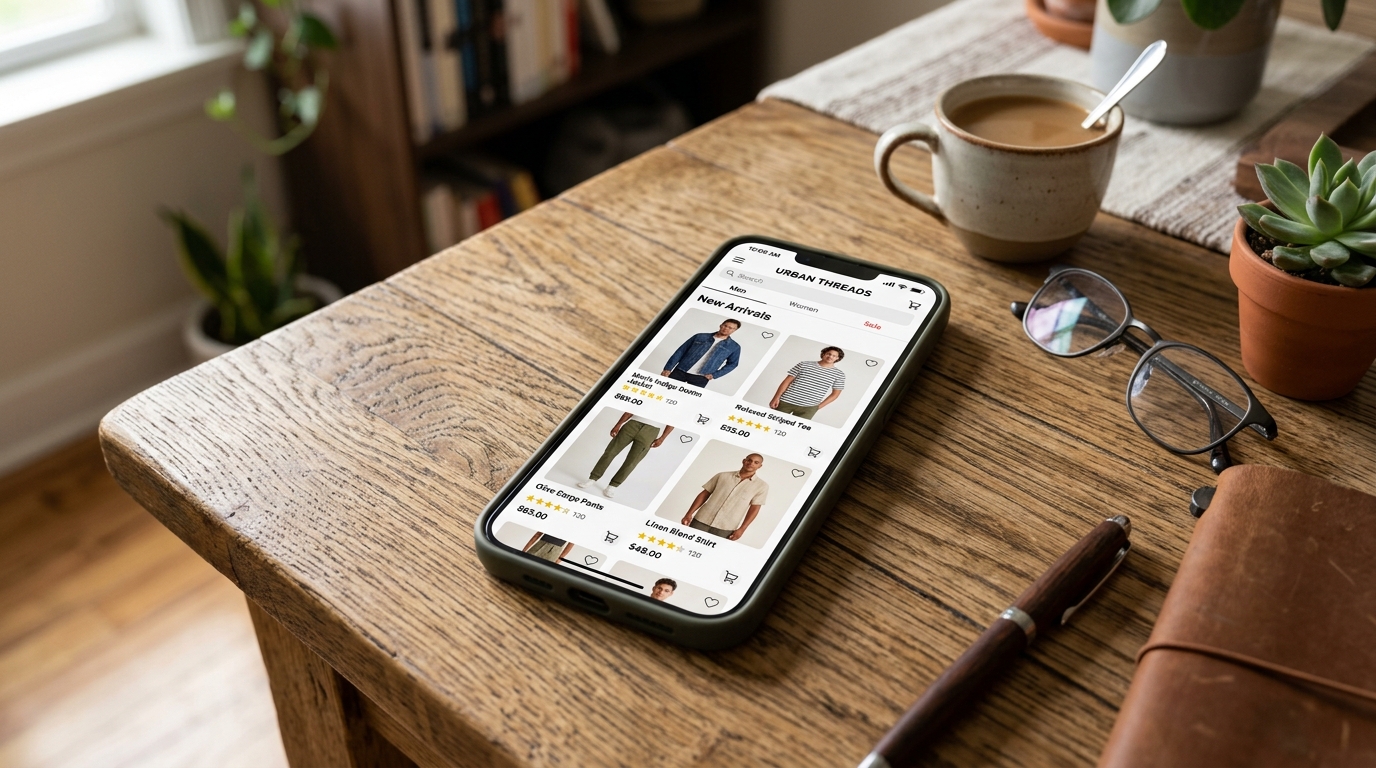
Dynamic Product Ads vs Static Meta Ads — Which Wins for Fashion?
If you run fashion e-commerce using Meta ads, you have probably wondered whether to use Dynamic Product Ads or static creatives. A lot of apparel brands go all-in on one or the other. Both leave money on the table. Static Facebook ads and video are strong for telling a brand story to cold audiences. Dynamic Product Ads are built for when someone already viewed a specific item and you need to show it again, in stock, at the right price. The best conversion rates on Meta for clothing brands come from using both at the right funnel stage.
Teams using AI ad performance and creative for fashion eCommerce consolidate creative testing, budget pacing, and cross-channel reporting so Meta campaigns improve without manual spreadsheet work.
When to use dynamic product ads for apparel on Meta
Dynamic Product Ads pull from your live product catalog and personalize automatically. They work best when the shopper already has some relationship with your brand. They browsed, added to cart, or spent time on a category page. Cart abandonment is the classic use case. Show the exact SKU they left behind. If you write "your size is still available" in the ad copy, make sure your inventory data actually supports that. For product viewers in the last 7 to 30 days, run a broader catalog carousel of items they viewed plus similar styles. After a purchase, cross-sell with a "complete the look" feed using complementary categories. Apparel benefits more than most categories because sizes sell out, seasons change, and prices move. A static ad promoting a medium that's gone wastes budget. DPAs stop serving unavailable variants on their own, as long as your catalog sync is clean.
When static and video Meta ads work better for fashion prospecting
Manually uploaded static and video ads are better for cold audiences who have never heard of you. Catalog tiles in the feed feel like ads, not inspiration. Editorial Reels, UGC try-ons, and brand story video convert better at the top of the funnel. New collection launches are another moment for static and video. You want one cohesive hero look before individual SKUs have enough browse data to retarget. Brand campaigns focused on recall and follows rather than immediate ROAS also belong here, not in your catalog retargeting layer.
How to set up a Meta product catalog for fashion e-commerce
DPAs fail when the catalog fails. Sync Shopify or your feed to Meta at least daily. Stale inventory leads to angry customers and wasted clicks. Images should be at least 1080 by 1080 with a consistent look across the feed. Titles and descriptions should include color, material, and fit, something like "relaxed linen shirt in sage green." Meta uses that text for matching. Group size and color variants properly so one product doesn't show up as six separate items. And make sure ViewContent, AddToCart, and Purchase events fire with content IDs that match your catalog.
"Apparel brands using Dynamic Product Ads for cart abandonment see about 3x higher conversion rates than generic static retargeting. The ad shows what the shopper already wanted."
- eMarketer Digital Advertising and Retail Report

Full funnel Meta ads structure for clothing brands
Put roughly 60 to 70% of budget into prospecting with static or video creative. Use broad or Advantage+ targeting and three to five video hooks. The goal is new site visitors and video viewers, not immediate purchases from cold traffic. Allocate 10 to 15% to engagement retargeting. Target people who watched at least half your video or engaged on Instagram with social proof and fit content. The remaining 20 to 30% goes to catalog retargeting for product viewers, cart abandoners, and past buyers you want to cross-sell. The content shift matters. Prospecting sells the vibe. DPAs sell the SKU. Don't expect catalog ads to build your brand with cold traffic. And don't retarget cart abandoners with a generic carousel when a dynamic ad showing their exact item will convert for less.
- Static ($)
- Dynamic Product Ads ($)
Wrapping up
Dynamic Product Ads are not a replacement for great creative in fashion e-commerce using Meta ads. They are how you close the sale after prospecting introduced the brand. Build top-of-funnel video that makes people care, then let your catalog finish with the right SKU at the right time. Fix the feed first. Everything downstream depends on it.
Frequently asked questions
How long before dynamic product ads vs static meta ads for fashion e-commerce campaigns stabilize on Meta?
Most fashion accounts need 50+ weekly purchase events before Meta exits the learning phase. Plan two to three weeks of stable spend before judging ROAS.
What budget should a fashion brand start with for Meta ads?
Start with enough daily budget to generate 7–10 purchases per ad set per week. For many apparel brands that means $100–$300 per day on prospecting.
When should you refresh creative for fashion Meta ads?
Refresh hooks or swap in new video variants when frequency exceeds 2.5 or CPA rises 20% week over week. Weekly creative tests are standard for scaling brands.